From Dental Surveys to Dental School: How Alina Rivera Helped the FreSH Study
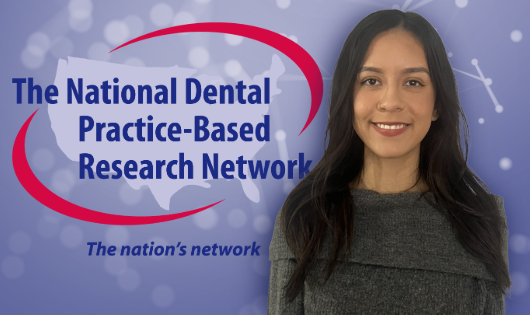
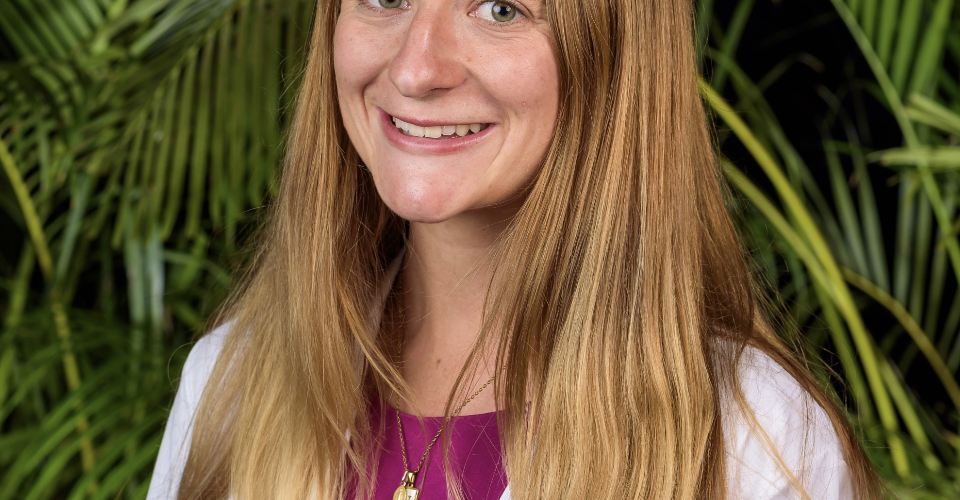
What does it take to follow 1,196 adults who smoke through six months of quitting attempts? For the Free Samples for Health (FreSH) study, part of the answer was a college senior who spent nine months making sure every patient felt heard.
Alina Rivera joined the Behavioral Health Equity Research Group at Hennepin Healthcare in Minneapolis, Minnesota, one of the research teams working with the Network, during her final year of college. Her work touched on two of the most important steps in any clinical trial: bringing patients in and keeping track of how they were doing.
A Role at Both Ends of the Study
The FreSH study tested whether giving patients free nicotine replacement therapy (NRT) samples, on top of the Ask-Advise-Refer (AAR) counseling approach, would help more people quit smoking than AAR counseling plus an electric toothbrush. Patients completed follow-up surveys at 1, 3, and 6 months, and Alina administered those surveys at each marker, capturing how patients felt after taking part and answering their questions about the study along the way.
Alina also helped to recruit participants for the FreSH study. Using electronic health record platforms, she helped the team identify patients who might qualify. Consistent follow-up and careful screening are what make a practice-based trial credible, and both depended on people like Alina.
What the Study Found
The results Alina helped collect tell a useful story. At one month, 12.8% of patients who received NRT samples reported not smoking, compared with 9.0% in the electric toothbrush group. Half of the sample group (50%) used NRT, compared with 13% of the comparison group. At six months, carbon monoxide-confirmed abstinence was similar: 8.4% versus 8.0%. Free samples got more patients to try quitting, and the team is still studying how to sustain that early momentum.
Dentistry as a Point of Intervention
Alina says the experience changed how she sees her future profession. “Dentistry is preventive in nature and uniquely positioned to influence overall health outcomes,” she explained. Dentists see patients regularly and build long-term relationships, which puts them in a strong position to talk about behaviors such as tobacco use before disease becomes irreversible.
She also gained skills that do not appear in a textbook: explaining a study clearly to patients, and working alongside study coordinators and staff. “I learned how to properly communicate, collaborate, and contribute meaningfully to the goal of our study,” she said.
Carrying the Lessons Forward
Alina has been admitted to dental school and starts in fall 2026. She plans to stay involved in research as a student and beyond, and she describes dentistry as a platform for supporting both oral and overall health.
Her story reflects what the Network hopes every student experience can be: a firsthand look at how research and clinical care strengthen each other. A senior year spent on surveys and recruitment is now shaping a future clinician who already treats prevention as part of the job.
Get Involved
Do you work with students or trainees who support Network studies? We would like to feature their stories. Read more Network stories and FreSH study updates on the blog at www.nationaldentalpbrn.org/blog
Click here to learn more about the Free Samples for Health (FreSH) study.
The FreSH study was supported by the National Institute of Dental and Craniofacial Research of the National Institutes of Health (UH3-DE-029973, U19-DE-028717, and U01-DE-028727).
Interested in Becoming a Member?
Related Posts