Newly Published Findings From the POPS Study Show How Dental Pain Eases in the Week After Treatment
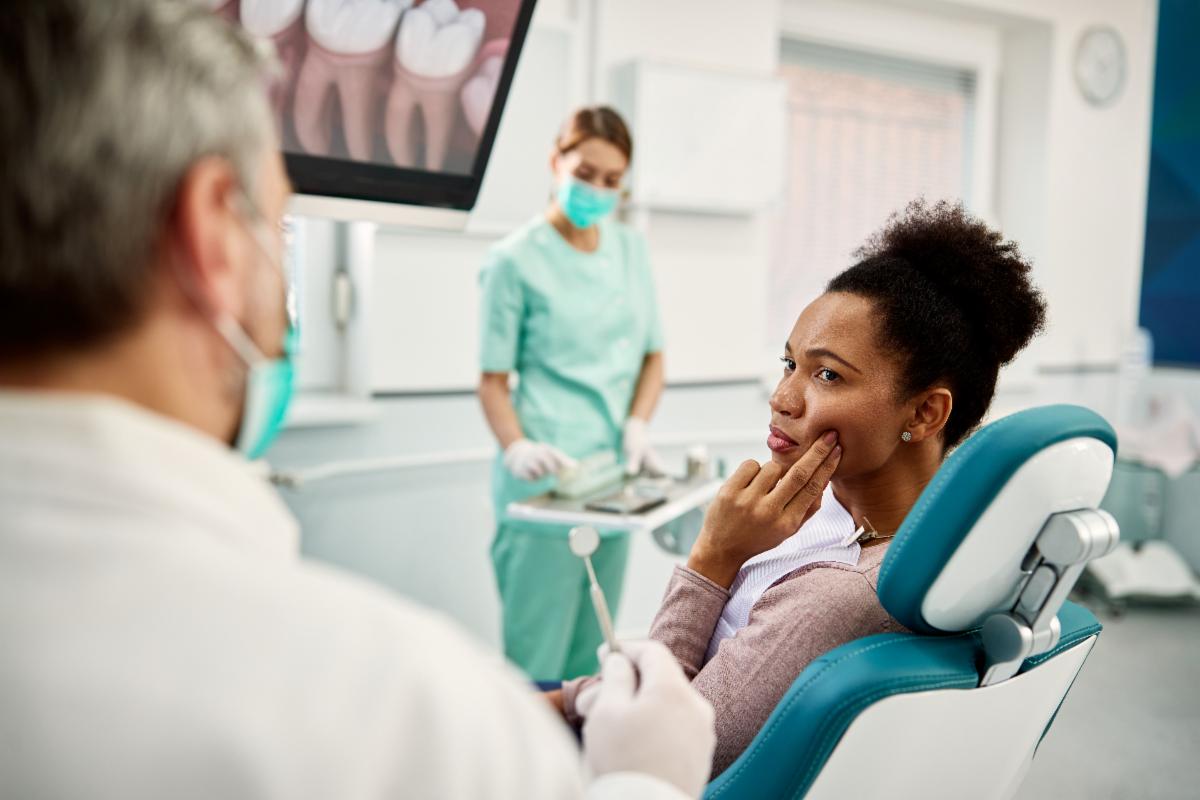
How quickly does pain improve after common dental procedures, and which procedures have the greatest effect on eating, speaking, sleep, and daily activities? A newly published paper from the Postoperative Pain Study (POPS) answers these questions with evidence from 2,674 patients, giving you new data on pain, recovery, and medication use to help inform your postoperative counseling and pain-management planning.
A Milestone Built on 2,674 Patient Experiences
POPS is a prospective, multi-site study conducted across National Dental PBRN practices, and this publication marks the first major report of its primary findings. Researchers enrolled 2,674 adult patients from Network practices who reported on their pain, daily functioning, and medication use during the week following endodontic procedures, periodontal surgeries, oral surgeries, implant procedures, and visits involving multiple procedures.
Capturing the Patient Experience Beyond the Dental Chair
Rather than relying only on information gathered during office visits, the study used a mobile health (mHealth) platform to collect patient-reported outcomes throughout recovery. This approach let researchers track how pain and daily functioning changed day by day, not just at a single follow-up visit.
What the POPS Study Found
Most patients experienced steady improvement in pain during the first week after treatment. Average pain scores decreased from 3.0 at baseline to 2.2 on the first postoperative day, then continued declining to 0.9 by day seven. Opioid use was relatively low across the sample: patient-reported opioid use dropped from 6.6% on the first postoperative day to just 1.8% by day seven, with most patients managing discomfort using nonopioid medications.
Postoperative pain also varied considerably by procedure. Patients who underwent multiple procedures in a single visit had the highest odds of moderate postoperative pain, as did those who had surgical periodontal procedures. Patients receiving multiple procedures were also more likely to report difficulty falling asleep during recovery, and surgical tooth extractions and multiple-procedure visits were among the treatments most often associated with moderate to severe pain and functional interference.
Why This Matters for Your Practice
These findings move dentistry toward more personalized, procedure-specific pain management guidance. Knowing which treatments carry greater odds of postoperative discomfort can help you set patient expectations, tailor pain-management conversations, and flag patients who may benefit from additional follow-up after treatment. The low rate of opioid use among most patients also reinforces the value of nonopioid approaches and adds further evidence to support ongoing opioid stewardship efforts in dentistry.
Thank You to the Practitioners Who Made This Possible
This milestone belongs to the Network practices, coordinators, and clinical teams who enrolled patients, introduced them to the mHealth platform, and kept the study running across 21 days of follow-up for each participant. A dataset this size, covering five procedure categories across the country, exists because Network members made room for research inside busy practice schedules.
What’s Next for POPS
The POPS research team is continuing to analyze these data to develop more granular, procedure-specific pain-management guidance and to better understand how mHealth tools can support patient monitoring after treatment. Watch the Network blog at www.nationaldentalpbrn.org for future updates as this analysis continues.
Read the Publication
Walji MF, Yansane AI, Tungare S, et al. Postoperative pain after dental procedures: The National Dental Practice-Based Research Network observational study using a mobile health platform. Journal of the American Dental Association. Published online May 16, 2026.
POPS is supported by the National Institute of Dental and Craniofacial Research (NIDCR) under grants U19-DE-28717, U01-DE-28757, and UH3-DE-029158.
Interested in Becoming a Member?
Related Posts