Study Presentations From the 2026 National Meeting Show How Research Can Refine Everyday Care
What can you take back to practice from a single afternoon of study presentations? At the 2026 National Meeting, Network members heard findings that spoke directly to implant maintenance, tobacco cessation, and post-operative pain management, three areas where research can help strengthen communication, decision-making, and patient care in real-world settings.
Key highlights
- The Dental Implant Restoration Registry, or DIRR, follows more than 2,000 implant restorations placed by 126 practitioners.
- In DIRR, implant removal was uncommon, but biologic and prosthetic complications were observed during follow-up.
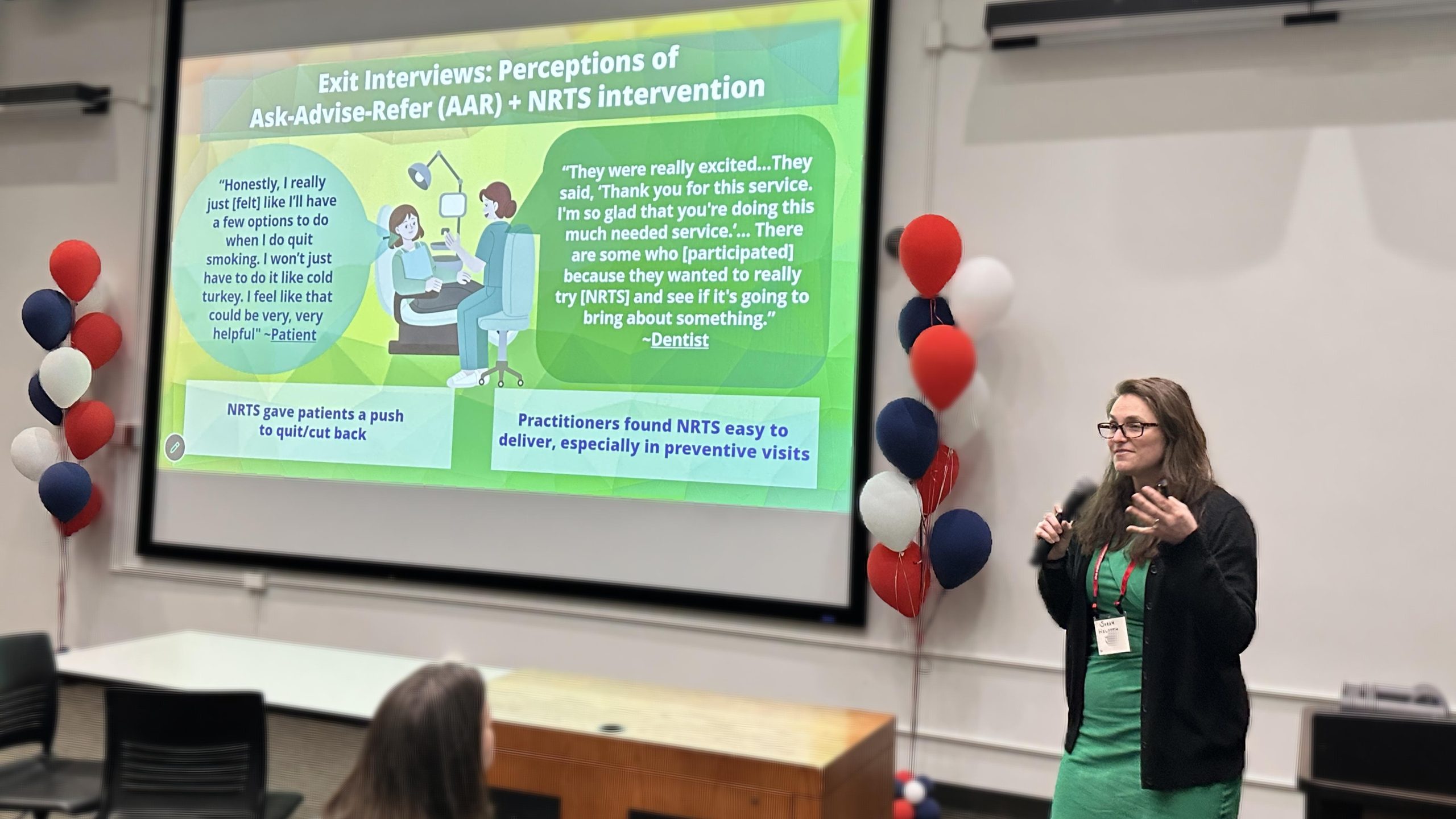
- The Free Samples for Health study, or FreSH, found that free nicotine-replacement therapy, or NRT, samples were linked to more quit attempts, higher short-term abstinence, and greater use of cessation medications, even though long-term abstinence did not differ at six months.
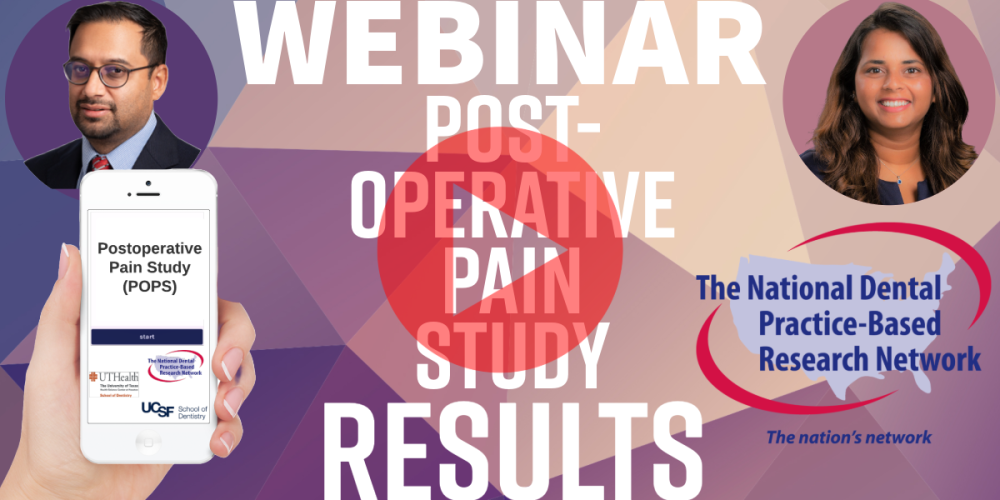
- The Post-Operative Pain Study, or POPS, collected real-world pain data from more than 2,600 patients through a mobile health platform (mHealth).
- In POPS, pain typically peaked on Day 1 and resolved by Day 7, and most patients relied on non-opioid medications.
- Across the breakout discussions, practitioners focused on applying findings through stronger chairside messaging, better workflow fit, and more practical support for patient follow-up.
Implant success requires more than survival alone
Dr. Joana Cunha-Cruz shared early findings from DIRR, a study following more than 2,000 implant restorations placed by 126 practitioners. Although implant removal was uncommon, the presentation showed that increased probing depths, bleeding on probing, screw loosening, and loss of retention remained important biologic and prosthetic complications during follow-up.
That message is clinically useful because it shifts the conversation from whether an implant remains in place to how well it is functioning over time. Practitioners in the breakout discussion emphasized recall planning, maintenance, and patient education, especially for patients with systemic health concerns or a history of periodontal disease. They also noted that many patients assume implants cannot fail, which makes clear chairside communication even more important.
Tobacco cessation support may gain traction when it starts with feasible tools
Dr. Sandra Japuntich and Dr. Sarah Helseth presented findings from FreSH, which examined whether offering free NRT samples in dental practices could improve smoking cessation. While six-month abstinence did not differ between groups, the NRT sample group reported more quit attempts, greater short-term abstinence, and higher use of cessation medications, and both patients and practitioners found the approach feasible and acceptable.
For clinical teams, the practical value may be in how the conversation begins. Practitioners in the breakout session described trust-building strategies such as acknowledging how difficult quitting can be, assessing readiness before offering guidance, and deciding whether a first visit or follow-up visit is the better time to raise a sensitive topic. Many also expressed interest in more training on cessation therapies and reimbursement pathways, showing that implementation support remains a meaningful next step.
Patient-reported pain data can help recalibrate expectations after treatment
Dr. Muhammad Walji and Dr. Sayali Tungare presented POPS findings based on more than 2,600 patients who reported pain through an mHealth platform. Across procedures, pain generally peaked on Day 1 and resolved by Day 7, while surgical procedures such as periodontal surgery, implants, and surgical extractions had the highest odds of moderate to severe pain. The presentation also showed that dentists tended to overestimate Day 1 pain compared with patient reports, and that most patients used non-opioid medications.
These findings give practitioners a stronger evidence base for post-operative conversations. Breakout participants connected the results to a greater emphasis on inflammation control, over-the-counter pain management, and fewer opioid prescriptions, while also pointing to the value of mHealth tools for reducing anxiety and improving follow-up. The discussion also raised interest in non-pharmacologic approaches such as music therapy, meditation, and hypnosis as possible areas for future study.
What this means for the Network
Taken together, these presentations reflected the kind of research questions that matter most in practice: how to improve long-term outcomes, how to support behavior change, and how to align treatment expectations with patient experience. They also showed how Network studies can generate findings that are specific enough to inform care, yet broad enough to spark new questions for future research.
If you are interested in participating, contact us!
Related Posts